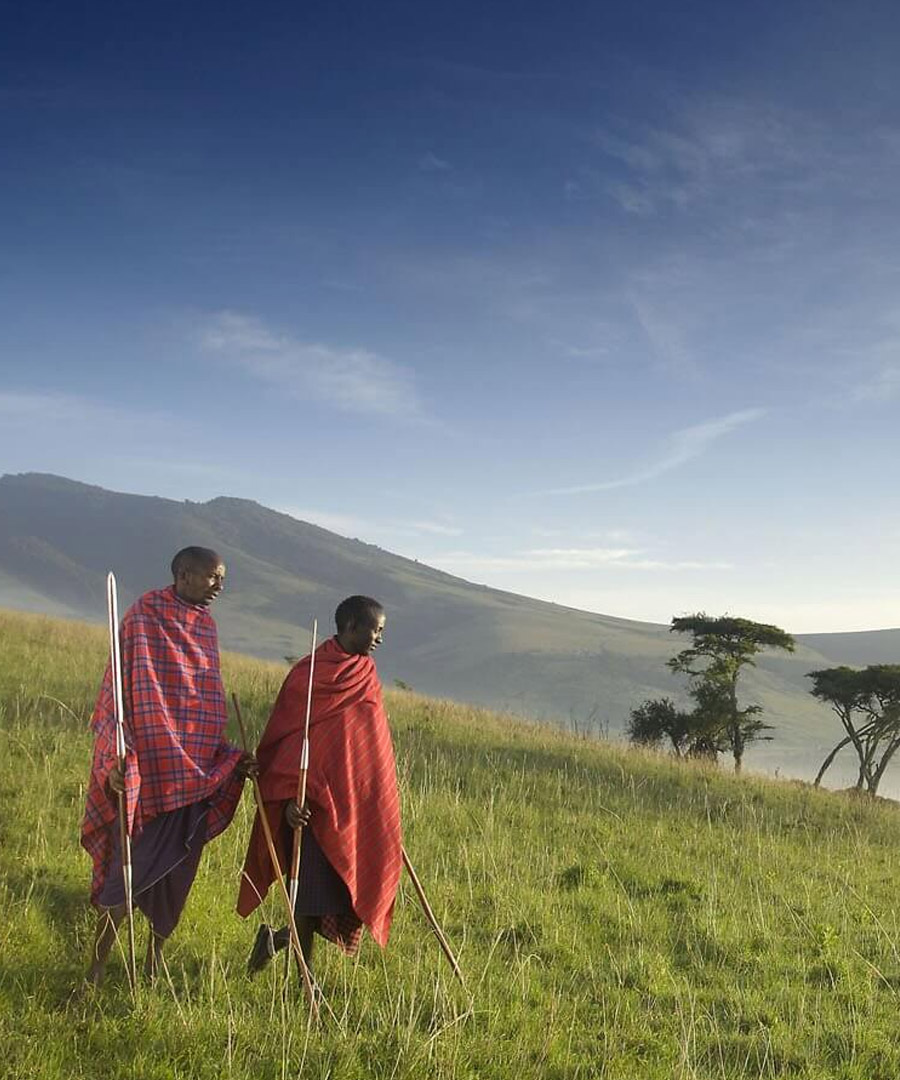
Tanzania · East Africa
Ngorongoro Conservation Area
The world's eighth wonder — a collapsed volcanic caldera hosting all Big Five in the most concentrated wildlife area on earth
The Ngorongoro Crater is one of Africa's most extraordinary natural wonders — a collapsed volcanic caldera 19km wide and 600m deep, forming a natural enclosure for an astonishing concentration of wildlife. The crater was formed when a massive volcano collapsed inwards roughly 2-3 million years ago, creating a caldera that now holds around 30,000 large mammals.
The Ngorongoro Conservation Area was declared a UNESCO World Heritage Site in 1979. The crater floor hosts all of Africa's Big Five — lion, leopard, elephant, black rhino and buffalo — along with vast herds of wildebeest, zebra and gazelle, pink flamingos at Lake Magadi and extraordinary birdlife. The black rhino population is one of the most reliable and frequently seen in Africa.
The drive down into the crater (600m descent) is itself spectacular — through highland forest where elephants and buffalo can be encountered on the rim. The crater floor offers a full day of outstanding game viewing in a compact 260 km² area where wildlife cannot escape the bowl. Most visitors combine Ngorongoro with the Serengeti and Lake Manyara in Tanzania's classic Northern Circuit.
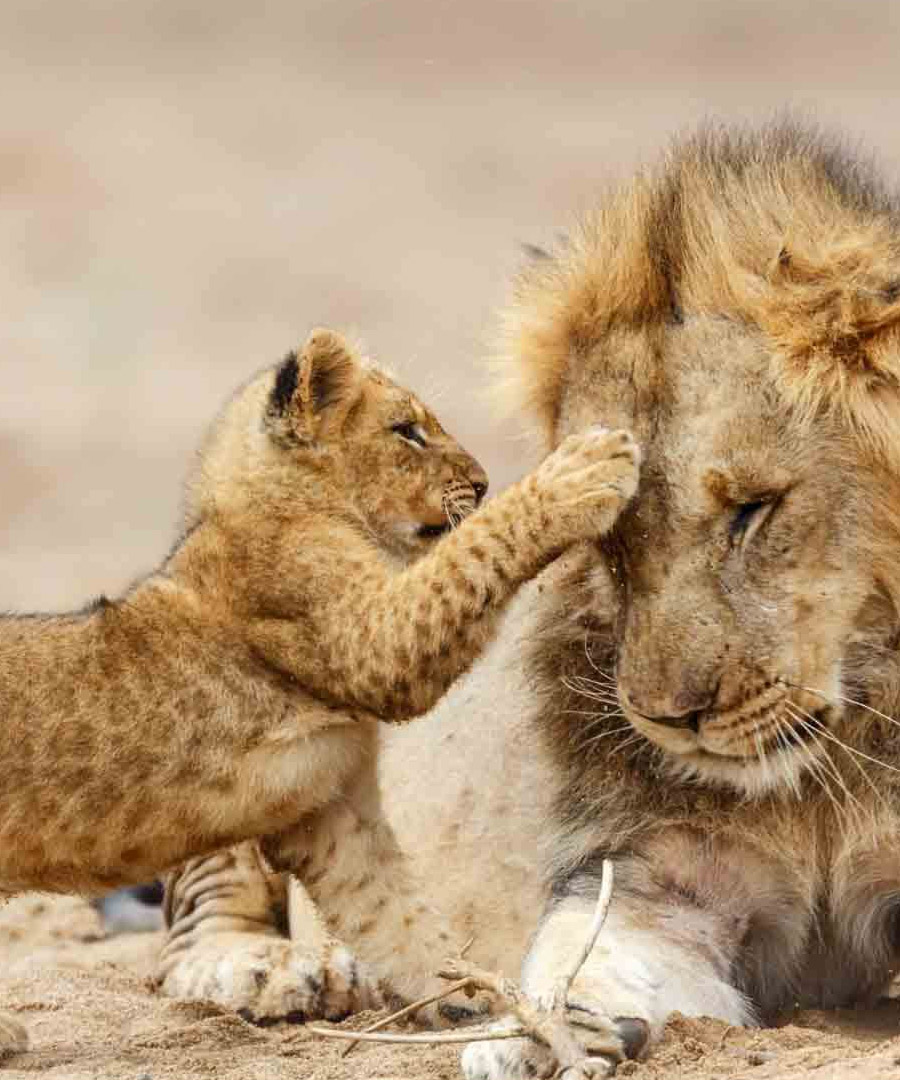

Ngorongoro is one of the best places in Africa to see black rhino in the wild — a small but regularly sighted population lives in the Lerai Forest and swamp areas of the crater.
Lion, leopard, elephant, buffalo and black rhino all share this remarkable 260 km² bowl — game viewing is exceptionally concentrated and close.
The soda lake in the crater floor turns pink with thousands of lesser flamingos during the wet season — one of the crater's most spectacular and colourful sights.
At 2,400m, the crater rim offers cool highland temperatures, extraordinary crater views and montane forest walks with elephants, buffalo and colobus monkeys.
Best game viewing — animals concentrate around permanent water. Clear views. Cool temperatures at the rim.
Excellent conditions. Crater lake often pink with flamingos. Short grass for predator visibility.
Heavy rains. Muddy access roads. The crater is still spectacular but logistics are difficult.
Fresh green crater. Excellent for photography. Fewer visitors.