South Africa · Southern Africa
Kruger National Park
One of Africa's greatest wildlife destinations — nearly two million hectares of Big Five safari country in north-eastern South Africa
Kruger National Park is South Africa's most famous safari destination and one of the largest game reserves in Africa — spanning nearly 20,000 km² along the borders of Mozambique and Zimbabwe in north-eastern South Africa. It is home to more than 200,000 large mammals including the Big Five: lion, leopard, elephant, rhino and buffalo.
What makes Kruger extraordinary is its variety. The park encompasses 10 distinct ecological zones, each with different vegetation, topography and wildlife specialities — from the elephant-rich Limpopo River basin in the north to the leopard country of the Sabi and Crocodile rivers in the south. The private reserves bordering Kruger — Sabi Sand, Timbavati and Klaserie — offer off-road access, night drives and walking safaris unavailable in the national park itself.
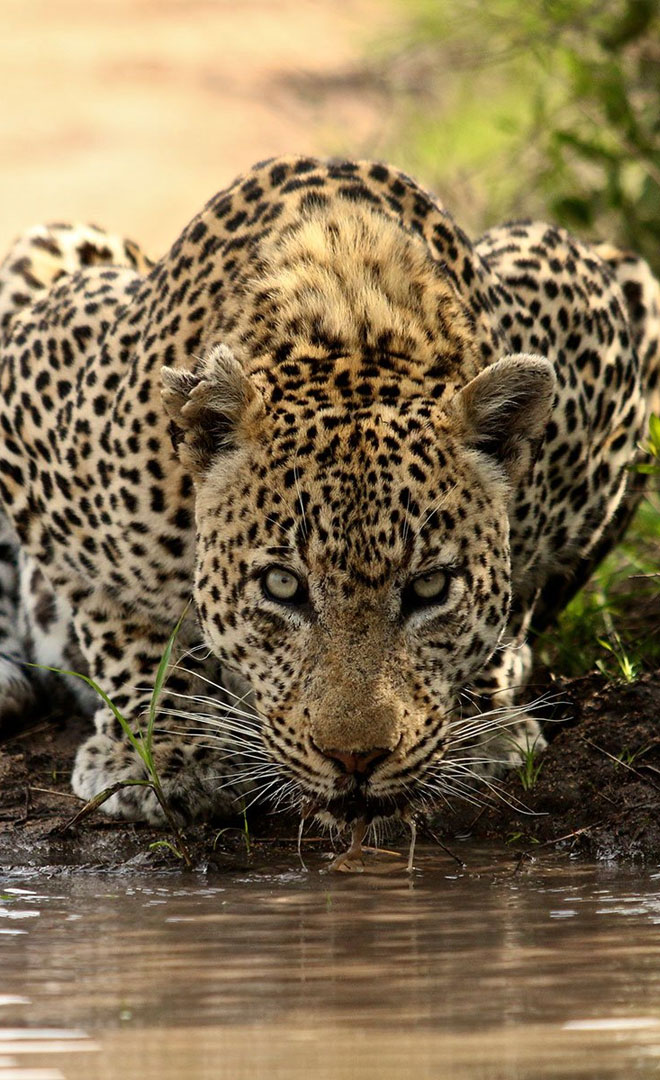
The Sabi Sand Game Reserve is particularly renowned for habituated leopard sightings at extraordinary close range — widely regarded as the best leopard viewing in Africa. With unfenced boundaries between Sabi Sand and Kruger, wildlife moves freely between the two, and guests at exclusive private lodges benefit from private vehicles, expert field rangers and maximum 8-guest lodges for a completely different experience from the national park.

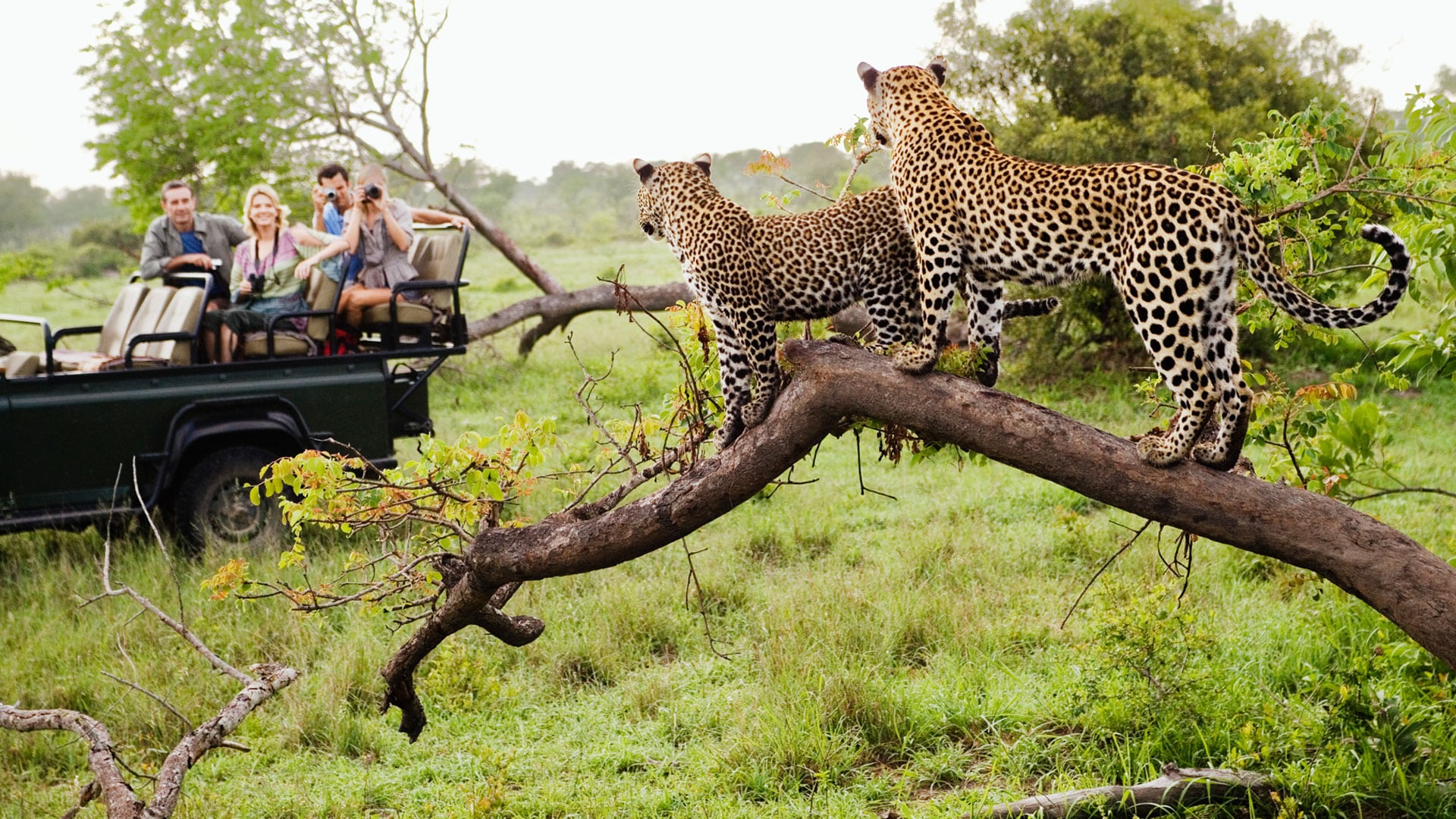
Kruger has one of Africa's most reliable Big Five records — lion, elephant and buffalo are seen on almost every game drive, with leopard and rhino frequently encountered.
The adjacent Sabi Sand Reserve is world-famous for habituated leopard sightings — off-road access and spotlight drives reveal these elusive cats at extraordinary close range.
Kruger's excellent road network allows self-drive exploration from the public rest camps — or fly into a private reserve for a fully-guided luxury experience.
Walking safaris with armed field rangers are available in designated wilderness areas — one of Africa's most intimate and thrilling wildlife experiences.
Best game viewing — vegetation thins and wildlife concentrates at water. Cooler temperatures (15–28°C). Peak season.
Very hot and the season begins to green up. Wildlife still excellent. Good value rates.
Lush landscape, excellent bird watching, lower rates. Game viewing harder in dense vegetation.
Transition month — rains end and conditions improve rapidly toward the dry season.